
R.T. Fitch
R.T. Fitch’s life has been anything but ordinary. Straight out of high school, he joined the U.S. Air Force Band during the Vietnam era, and while stationed in Hawaii, he spent weekends at Sea Life Park training penguins, sea lions, and whales. His path through life has taken many unexpected turns—including more than a few lessons in love—until meeting his wife, Terry, brought a lasting partnership and a shared passion for animals.
Over the course of his adult career, R.T. worked internationally in multiple countries, gaining a broad, global perspective that colors both his worldview and his writing. Now rooted in Texas, he and Terry live on a small farm surrounded by four-legged companions with paws, claws, and hooves. Together, they have devoted years to equine rescue and wild horse protection.
An ordained volunteer chaplain and professional Santa Claus for a local historical society—with Terry by his side as Mrs. Claus—R.T. brings warmth, wisdom, and joy to every season. His work reflects a life of service, wonder, and connection to both people and animals.
He is the author of Straight from the Horse’s Heart, a moving collection of true rescue stories and spiritual reflections, and Fangs of Light, a supernatural tale steeped in symbolic and metaphorical storytelling. The first in a planned trilogy, Fangs of Light blends myth and mystery to explore themes of identity, redemption, and the power of empathy—offering readers not only suspense and intrigue but a deeper look at the light and shadow within us all.

As the Utah 2011 legislative session gets underway, state Rep. Curt Oda wasted no time in introducing a bill that reflects his legislative priority. He is not using his position as a legislator, however, to try to create jobs, improve schools, or protect children, for example. Instead, his bill, H.B. 210, encourages the torture and killing of animals.
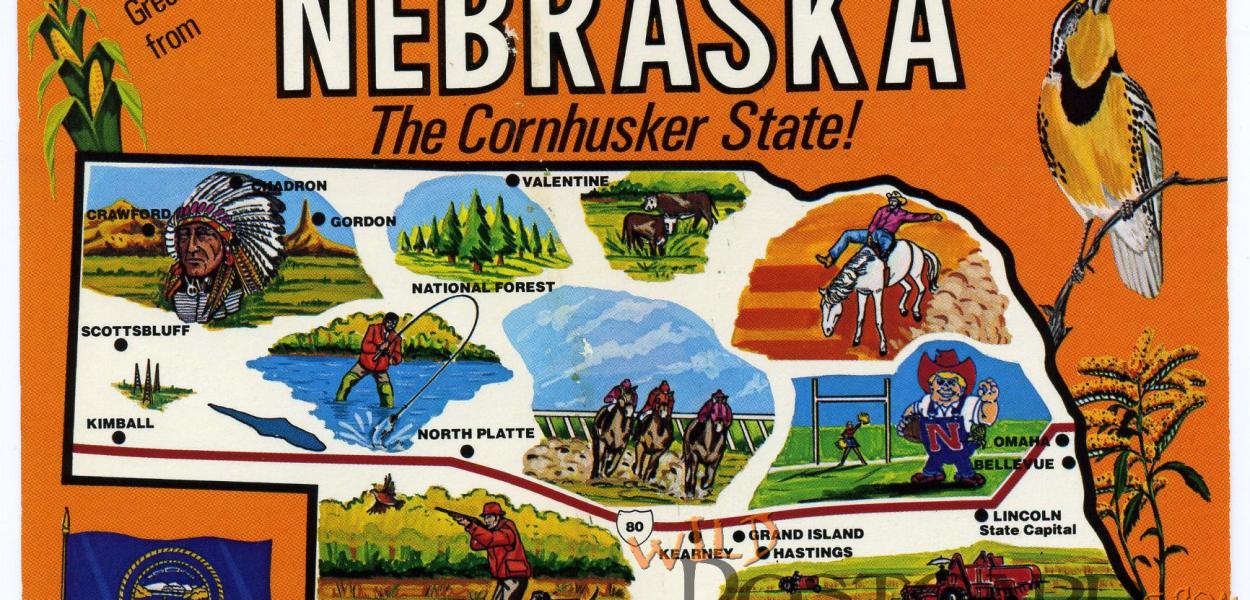
Two bills introduced in the Nebraska Legislature are drawing fire from the largest animal advocacy organization in the world. Newcomer to the Legislature Sen. Tyson Larson introduced LB 305 on Wednesday, which would create a state meat inspection program, which would in turn allow horse meat to be transported across state lines. He also introduced LB 306, otherwise known as the Livestock Animal Welfare Act.
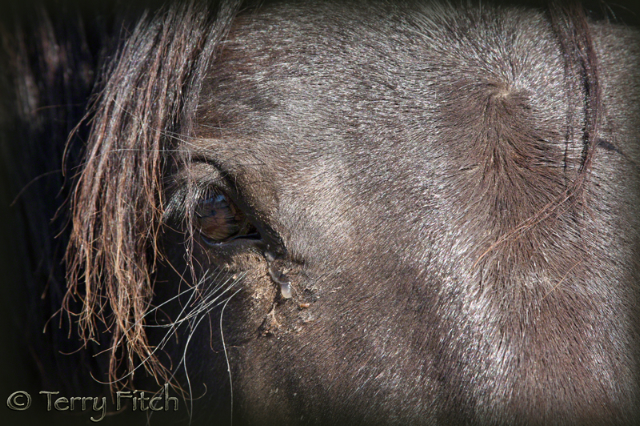
Once upon a time, on a small one-acre paddock in rural central Texas, there resided several horses; unfortunately, not in the best of conditions. It was a mean enclosure, boarded with barbed wire and natural cut poles whose bark had been eaten off long ago by the horses held captive within.
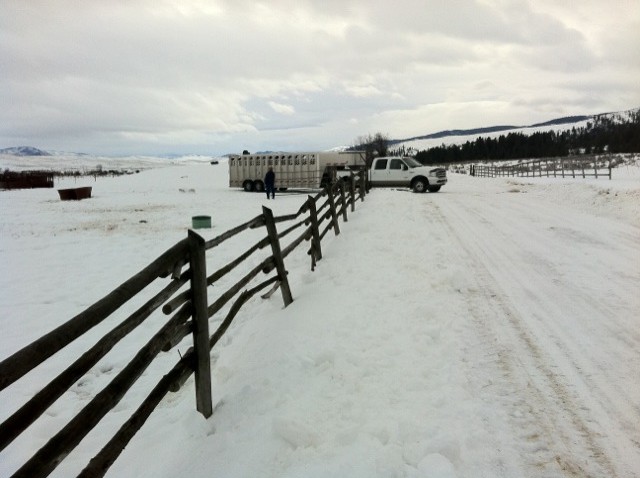
Back home in South Texas, when the thermometer reaches fifty degrees, the ice, if there ever was any ice, disappears off the roads. Back home at fifty degrees, folks are wearing heavy coats and gloves, shivering before they walk into the mall. Western Montana is different. For two days now, with close to fifty degrees by mid-afternoon, the roads up in the mountains have turned into thick slush ice, the pastures are the same, and every step of man and beast is threatened with the possibility of a major fall, but the people are showing up without coats and in a few cases, in shorts. Things are different up here.
Land near Guernsey is looking “very promising” as the location of a multi-species processing facility that would likely be in operation by 2012.
This multi-species processing facility would slaughter horses, cattle and bison.
Sue Wallis, the Republican state representative from Recluse – who has publicly stated the United States has taken a valuable asset and turned it into a very expensive liability – is proposing the facility.
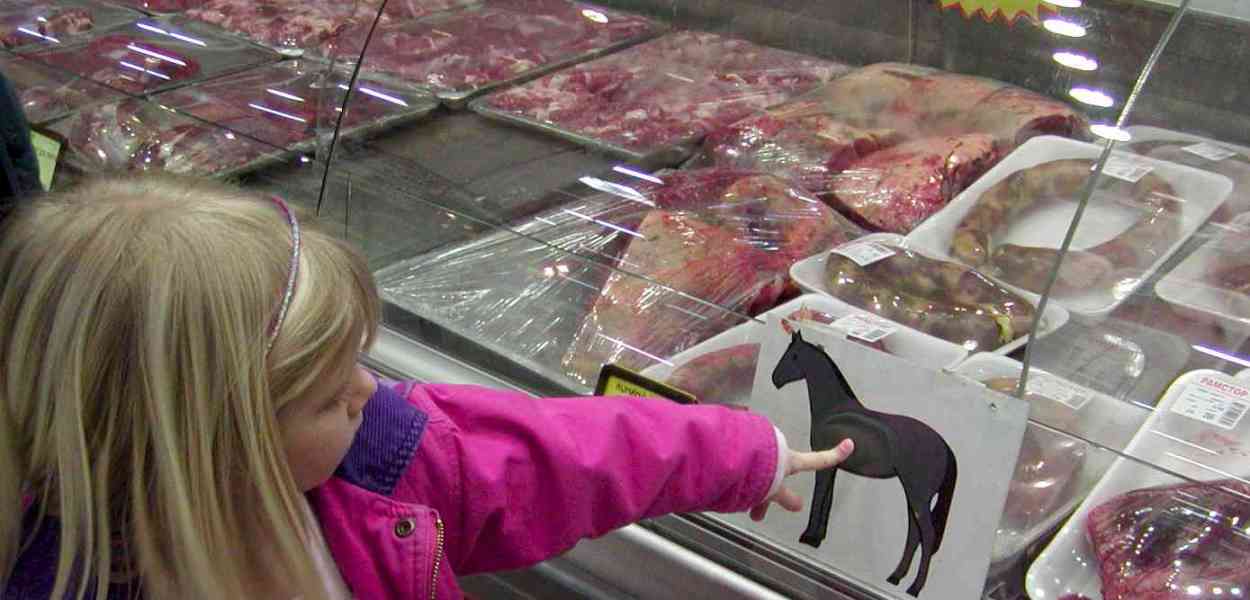
The goal of this conference stated “The sole purpose …convene the horse industry…bring together different perspectives…find pragmatic, sustainable, economically viable solutions for horses both domestic and wild.”
A look at the objectives and sponsors of the hosting organization, United Horsemen, of this conference infers this is a group of horse people united around a common goal. Yet if one were to look closely at the sponsors of this conference one would see all groups are not primarily involved with horses.

Hot Springs MT (SFTHH) – Eighty horses are receiving much needed veterinary care at a foster location while volunteers continue to move 650 llamas, two camels, several pot bellied pigs, donkeys, bison, cattle, goats, and sheep to safe locations for veterinary evaluation and future adoption campaigns.
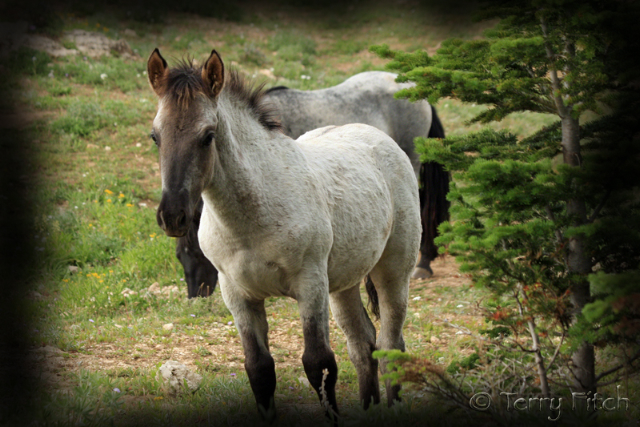
Often times it is best to let bad news and glaring stupidity simply slip away into the night without any notice and that was exactly what I intended to do regarding the Audubon Magazine’s recent article about wild horses. Written by Ted Williams, no not the famous guy, the article is riddled with misinformation and tainted with a leering overtone that leaves a bitter taste in the reader’s mouth. Poor journalism at best for such a highly regarded conservation publication.

Washington, DC (January 11, 2011) . . . As Congress grapples with federal budget shortages, a group of prominent environmental, horse advocacy and humane organizations has joined forces to urge the U.S. Department of the Interior’s Bureau of Land Management (BLM) to postpone a large-scale wild horse roundup scheduled to begin next week in the Antelope Complex, a 1.3 million acre public lands area in northeastern Nevada.
I have concluded it’s a good thing Sue Wallis isn’t a welfare department director or superintendent of public schools.
Wallis is a Wyoming rancher, state legislator, and the vice president of a group called United Horsemen.


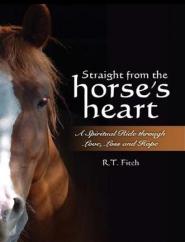





 Straight from the Horse's Heart
Most Recent Comments