Category: Horse Slaughter

Texas Prison Horses May be on One Way Trip to the Mexican Border

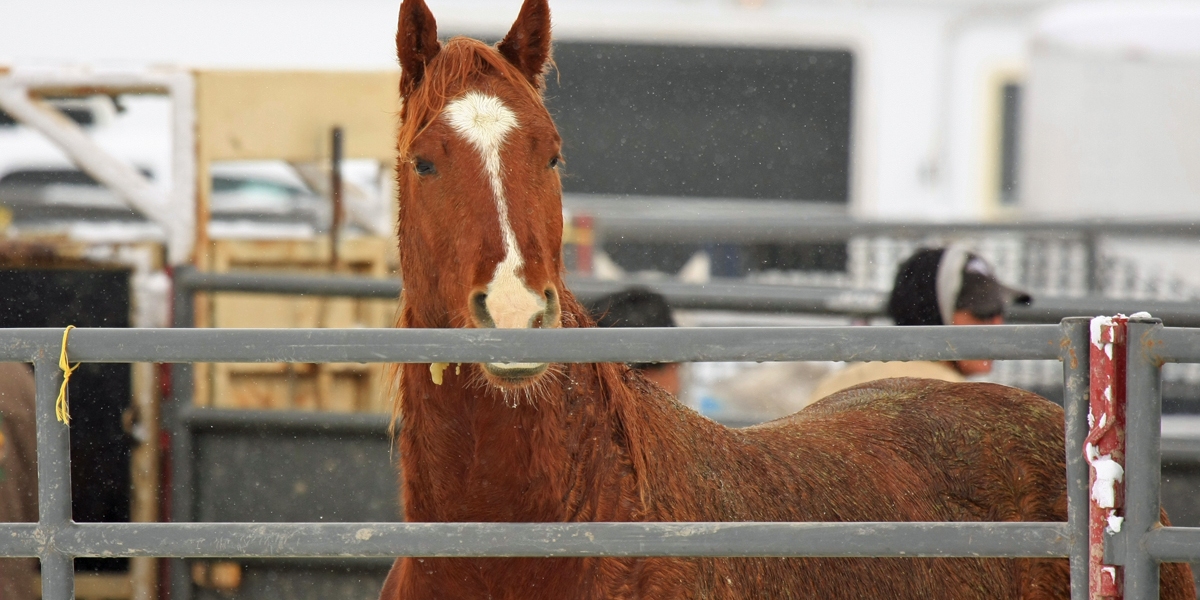
HUNTSVILLE, (Horseback) – One of the most genetically perfect herds of horses in North America was hit hard by the selloff of 61 animals at a public auction, their most likely destination, a Mexican slaughterhouse notorious for unspeakable cruelty. The herd of Texas prison horses that were sold had been part of a contingent of animals so remarkable, and even historic, they were subject of a February 2004 cover story in Horseback Magazine’s predecessor publication, Texas Horse Talk.
Rate this:

The True Unintended Consequences of Horse Slaughter

Over the years, we’ve written about the nonsensical arguments used by those in support of horse slaughter. We’ve scratched our heads and wondered why seemingly intelligent people would use the most illogical, ill conceived arguments and ridiculous euphemisms like “horse harvesting” to try to sway public opinion to embrace horse slaughter.

Rate this:

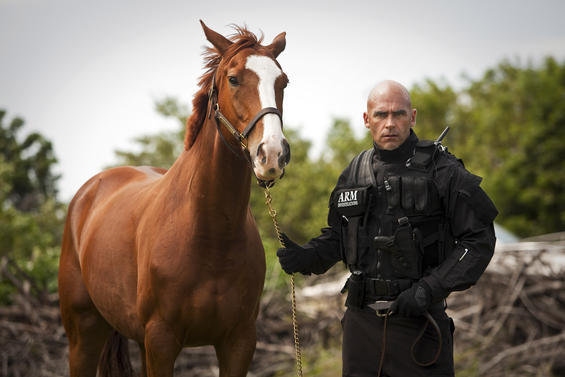
NBC2 Investigates: Illegal Florida Horse Slaughter Farms

Couto says horse meat runs between $7 to $40 dollars a pound. “People are eating it for medicinal purposes; they think it cures blood disorders; it helps with side effects from chemotherapy,” says Couto.

But it’s a myth. Horse meat can actually be unhealthy. The products and drugs pumped into horses to keep them healthy, toxifies the meat.

Last year, state law makers made it a felony to slaughter horses.

Rate this:

Mexico Equine Advocates Appeal Globally for Help

Chicago (EWA) –Equine Welfare organizations around the world are responding to an appeal by their Mexican counterparts requesting support in forcing an end to the blatant cruelty and abuse at the San Bernabe Slaughter Auction in the Municipality of Almoloya de Juárez.

A video appeal was released on July 3, revealing the common place abuse of equines heading to slaughter. In an incident that is said to be typical of the mistreatment, a pregnant mare with a broken foot was pushed off a ramp that resulted in her breaking both of her knees. In obvious agony, she was dragged off to slaughter.

Rate this:

Bill to Ban Double Decker Horse Trailers Introduced

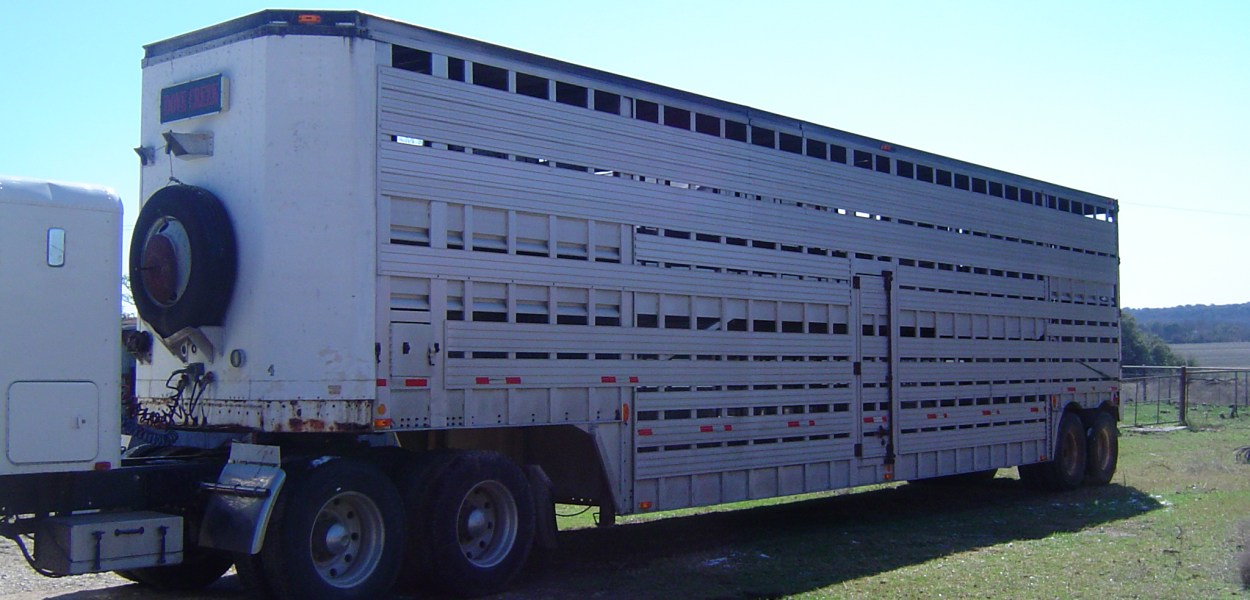
WASHINGTON — The Humane Society of the United States commends Sens. Mark Kirk, R-Ill., and Frank Lautenberg, D-N.J., for introducing S. 1281, the Horse Transportation Safety Act of 2011, an important measure to improve safety for horses during transport. The legislation would prohibit the interstate transportation of horses in a motor vehicle containing two or more levels stacked on top of one another. This bill is backed by organizations in the veterinary medical community, the agriculture industry and animal welfare groups, and is supported by a recommendation in a new Government Accountability Office report released last week which stated that a ban on the use of double-decker trailers for transport to slaughter would “protect horses through more of the transportation chain to slaughter.”

Rate this:

New Mexico Feedlot Sends Hundreds of Horses across Boarder to Slaughter

Upon arrival at the Southwest Livestock auction premises, investigators noted that there were approx. 500 horses in the pen area. Several trucks and empty single & double deck trailers were parked in front of the pen area. A sign next to the driveway advertised the auctions weekly cattle and horse sale, held every Saturday at noon. Several of the horses in the pen area had auction tags still attached to them. Some of the horses were thin. According to owner/shipper papers recently obtained via Freedom of Information Act Request, Chavez ships close to 400 horses every month to slaughter in Mexico. Records also indicate that many of the horses in his shipments end up at the municipal slaughter plant in Juarez, which is not approved by the European Union and still uses the Puntilla knife.

Rate this:

Animal’s Angels Investigate Known Texas Horse Slaughter Buyer

Animals’ Angels observed the collecting station of known slaughter buyer Garry Morris. There were approx. 40 horses in the pen area. One pen held a severely emaciated red roan Appaloosa, which was probably less than 3 years old. The horse, which was a BCS 1.5 on the Henneke chart, was obviously sick, since thick, purulent discharge was dripping from his mouth and nostrils. There also was discharge from the eyes and he had a dry cough, all symptoms of a severe strangles infection. The horse shared the same pen with numerous other horses, a few minis and an approx. 8 month old foal. Investigators never saw the horse move, he was standing very still with his head low.

Rate this:

The Way Forward on Horse Welfare

The Government Accountability Office released a new report yesterday, “Horse Welfare: Action Needed to Address Unintended Consequences from Cessation of Domestic Slaughter,” and some proponents of horse slaughter are using it as a rallying cry to re-open equine abattoirs on American soil. But the GAO report is a lot more nuanced than the horse slaughterindustry suggests, and the report provides some good insights into better policy solutions for horse welfare. And it confirms what we have long known: that shipping horses long distances in double-decker trailers and killing them for food exports isn’t good for the horses.

Rate this:

GAO Releases Alleged Leaked Horse Slaughter Report

(HOUSTON) – SFTHH – The long awaited report from the federal Government Accountability Office was released on June 22, 2011. Allegedly leaked and discussed during the controversial, failed horse slaughter festival, held in Las Vegas in early January, equine advocates were bracing for a compromised accounting and they were not far off the mark. Without any baseline of comparable markets the report acknowledges the fall in prices of equine sales since the closer of foreigner owned horse slaughter plants in the U.S. since 2007 but fails to recognize the parallel fiscal crisis the global economy entered into at during the same time frame. There is no reference or comparison to the dive in livestock prices nor an indication of essential industries, such as housing and auto, that had tanked and have yet to recover.

Rate this: