
R.T. Fitch
R.T. Fitch’s life has been anything but ordinary. Straight out of high school, he joined the U.S. Air Force Band during the Vietnam era, and while stationed in Hawaii, he spent weekends at Sea Life Park training penguins, sea lions, and whales. His path through life has taken many unexpected turns—including more than a few lessons in love—until meeting his wife, Terry, brought a lasting partnership and a shared passion for animals.
Over the course of his adult career, R.T. worked internationally in multiple countries, gaining a broad, global perspective that colors both his worldview and his writing. Now rooted in Texas, he and Terry live on a small farm surrounded by four-legged companions with paws, claws, and hooves. Together, they have devoted years to equine rescue and wild horse protection.
An ordained volunteer chaplain and professional Santa Claus for a local historical society—with Terry by his side as Mrs. Claus—R.T. brings warmth, wisdom, and joy to every season. His work reflects a life of service, wonder, and connection to both people and animals.
He is the author of Straight from the Horse’s Heart, a moving collection of true rescue stories and spiritual reflections, and Fangs of Light, a supernatural tale steeped in symbolic and metaphorical storytelling. The first in a planned trilogy, Fangs of Light blends myth and mystery to explore themes of identity, redemption, and the power of empathy—offering readers not only suspense and intrigue but a deeper look at the light and shadow within us all.

Thanks to heart wrenching but honest exposes that have recently uncovered one after another tragedy involving horses in our state, the public wants change. One thing is clear: even though some of us have heard these concerns in one form or another for decades, we are on the edge of a shift in thinking regarding horses. That’s why plenty of people are fighting back against that shift.
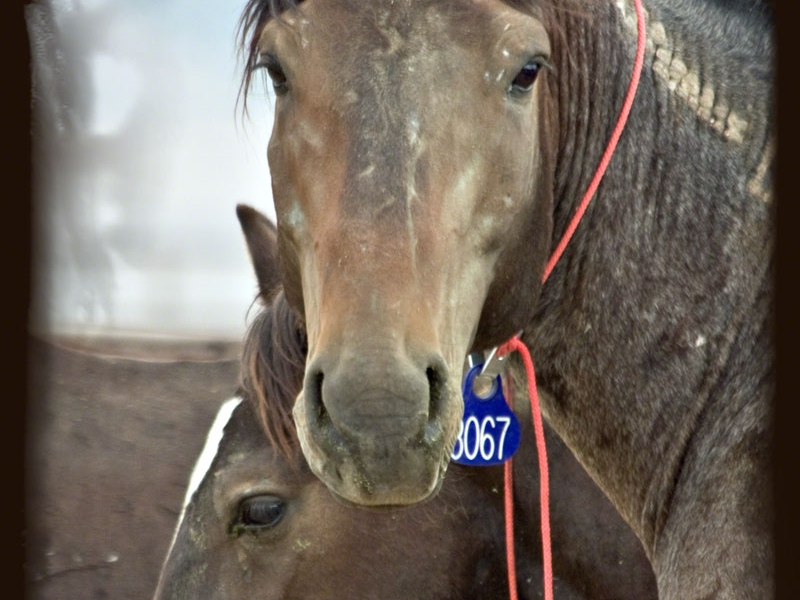
WASHINGTON (CN) – The Bureau of Land Management “may not simply remain studiously ignorant of material scientific evidence” just because an email error delayed its receipt of the evidence, a federal judge has ruled.
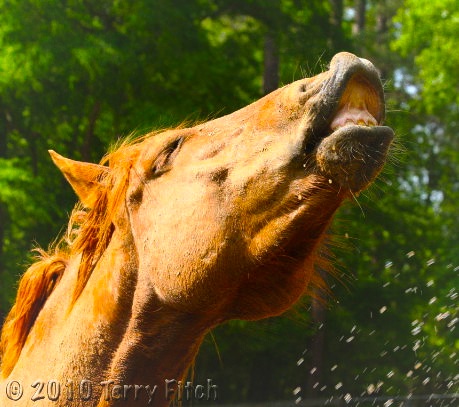
Wall Street Journal reporters Douglas Belkin and Nathan Koppel are in good company. On May 4, they published an article on horse slaughter so eerily similar to articles appearing in a variety of unrelated publications, even ol’ Rupert Murdoch himself might be left wondering.

WASHINGTON, DC – Bureau of Land Management Director Robert Abbey announced today that he will retire from public service at the end of May to rejoin his family full-time in Mississippi. Appointed by President Obama in 2009, Director Abbey’s three-year tenure in leadership of the nation’s largest land management agency marks the culmination of a 34 year career of state and federal service.
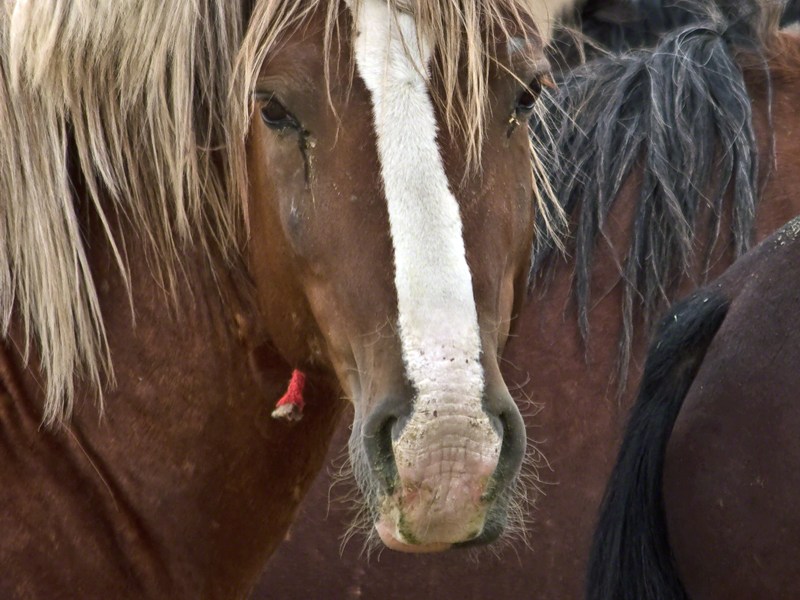
Washington, DC – May 10, 2012 – The U.S. District Court for the District of Columbia has rejected an attempt by the Interior Department’s Bureau of Land Management (BLM) to withhold and ignore critical scientific evidence in its decision-making process for the implementation of a precedent-setting plan to castrate wild stallions. At issue were expert declarations submitted to the BLM from leading experts in wild horse behavior and biology outlining the devastating impacts of castration on the health and natural behaviors of wild free-roaming stallions and wild horse herds.

The disclosure requirements for horses destined to be slaughtered for human consumption are working effectively to keep restricted drugs and vaccines out of the food supply, says Dr. Richard Arsenault, director of the meat programs division for the Canadian Food Inspection Agency (CFIA).
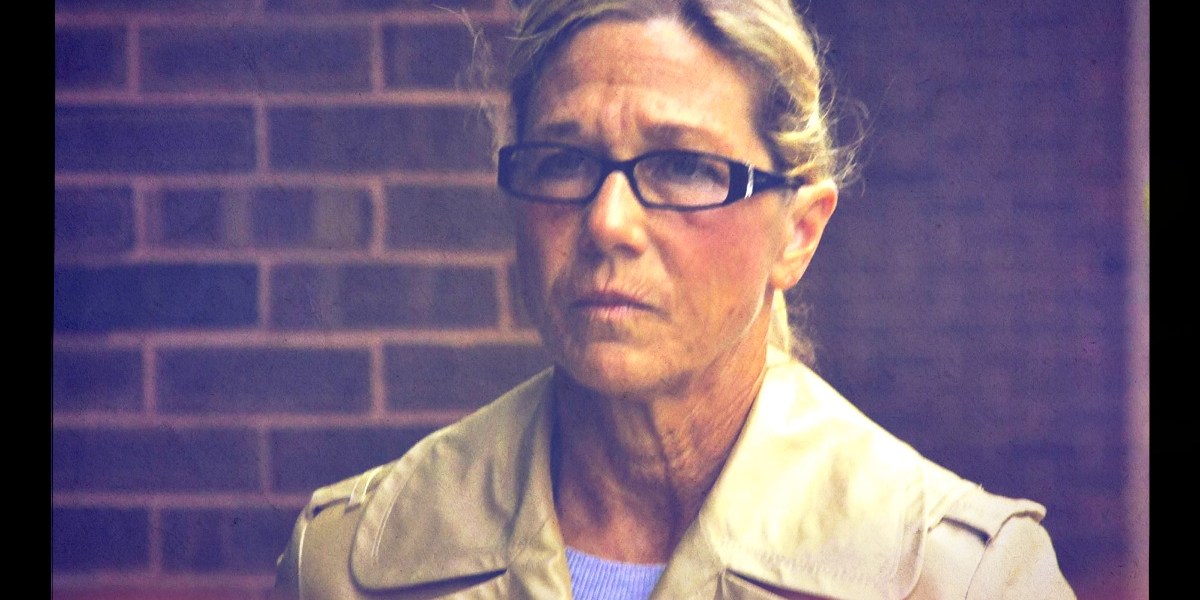
ROCKFORD, Ill. — The former comptroller of a small northern Illinois city pleaded not guilty Monday to charges alleging she stole more than $53 million of the public’s money to fund a lavish lifestyle and create one of the nation’s foremost horse-breeding operations.
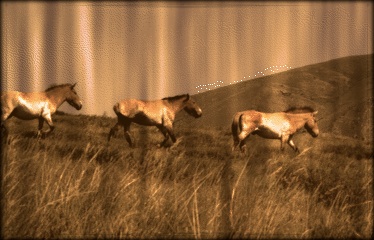
Shards of pottery with traces of mare’s milk, mass gravesites for horses, and drawings of horses with plows and chariots: These are some of the signs left by ancient people hinting at the importance of horses to their lives. But putting a place and date on the domestication of horses has been a challenge for archaeologists. Now, a team of geneticists studying modern breeds of the animal has assembled an evolutionary picture of its storied past. Horses, the scientists conclude, were first domesticated 6000 years ago in the western part of the Eurasian Steppe, modern-day Ukraine and West Kazakhstan. And as the animals were domesticated, they were regularly interbred with wild horses, the researchers say.
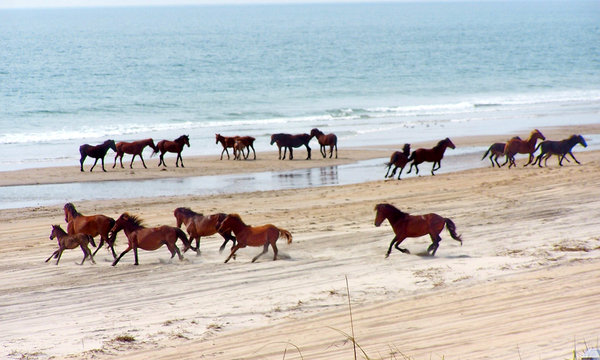
COROLLA, N.C. — Come summer, the beaches of this barrier island will be choked with cars and sunbathers, but in the off-season the land is left to wild horses. Smallish, tending toward chestnut and black, they wander past deserted vacation rentals in harems of five or six.
Thousands of them once roamed the length of the Outer Banks of North Carolina, the likely descendants from mounts that belonged to Spanish explorers five centuries ago. Now their numbers have dwindled to a few hundred, the best known living on federal parkland at Shackleford Banks.


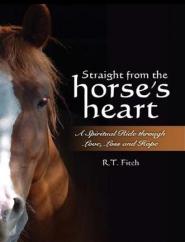





 Straight from the Horse's Heart
Most Recent Comments