
Diary of a First Time Wild Horse Stampede Observer, Part Three
It’s important to note the generosity that made this observation possible: a Horse & Burro Sanctuary, that offered both home and haven for the duration of this stay.

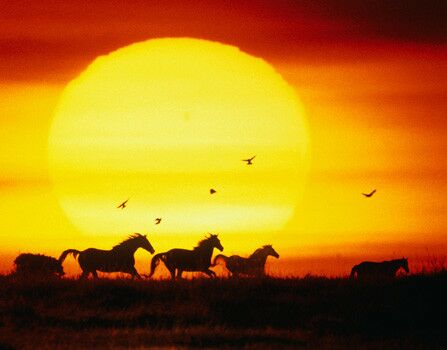
It’s important to note the generosity that made this observation possible: a Horse & Burro Sanctuary, that offered both home and haven for the duration of this stay.
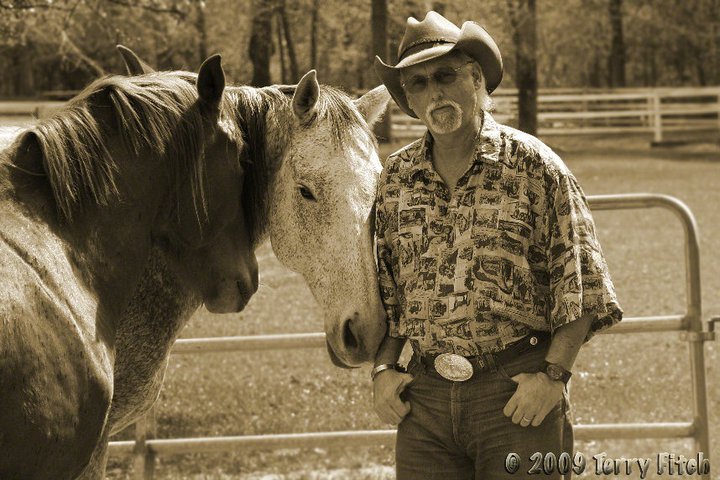
The voice of the American horse is being heard across this great land; from the vanishing cries of the terrified wild ones to the death screams of the horses headed across the border to slaughter, their voices are being heard. Those voices are reaching a new volume because the vocal cords for the horses are you, each and every one of you who care about the welfare and safety of our national treasure are making a difference by standing shoulder to shoulder in defense of those who cannot speak for themselves. But the very passion and power that fuels this movement could also be the instrument of its demise if it loses focus and turns inwards upon ourselves versus outwards toward the enemy.
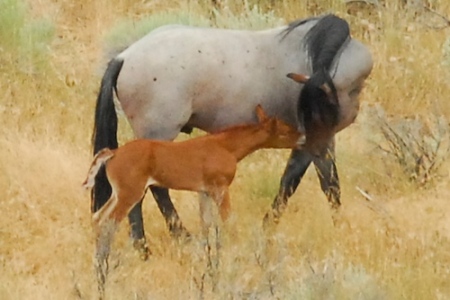
Portland, OR (August 18, 2010)—The Stinkingwater wild horse herd of Southeastern Oregon is slated for a near complete removal in a summer helicopter roundup scheduled to begin today. Concerned citizens in Oregon and across the country have been calling for a stop to this unnecessary and costly action.
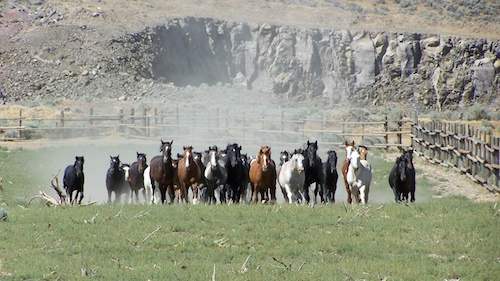
We have spent so much time addressing the inequities, injustices and cruelties surrounding the roundups, we sometimes forget to notice there is a beauty within all this ugliness, the reasons why we fight the fight.
On Aug 17th federal officials released a report stating that the holes in the carcass of a young foal found by wild horse advocates probably came from scavenger birds and not gunshot wounds.
Two days after the remains were found by concerned U.S. citizens a vet from the U.S. Agriculture Department’s Animal Plant Health Inspection Service examined the carcass and stated that the cause of death could not be determined due to advance stages of decomposition according to BLM spokesperson Jan Bedrosian.
Our friend George Knapp called me over the weekend to inform me that the BLM is at it again. As we covered in our ATSNews Video series, the BLM has been rounding up the Federally Protected Wild Mustangs because they claim the range can’t sustain them.
Babies screaming for their mothers, lame horses, horses down and this is all for the good of the wild horses?!?!?

The Custer National Forest awarded a contract on August 6, 2010. It calls for the building of new, bigger, stronger, longer fence to prevent the Pryor Wild Horse Herd from grazing on their mid-summer through fall pastures atop their mountain home. The first question I am always asked is “Why?” To answer honestly, I am not sure what is pushing this kind of expensive and unwanted project. But, to even try to answer the question requires a bit of a history lesson.
Arriving at the Litchfield Holding Facility at around 6:00 a.m., just before dawn, we were briefed by ‘Jeff’, a uniformed BLM representative on the rules of conduct. Most pointed: Disruptions or jeopardizing of safety would discontinue regular observation day. This was punctuated by 3 armed Law Enforcement officers; one, wore a Kevlar vest.
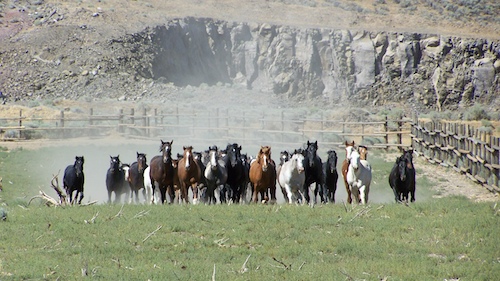
California doesn’t have many wild horses and very few wild burros left but that, along with a public outcry, has not stopped the Bureau of Land Management from rounding up thousands more of California’s wild equids. The BLM, responsible for managing most of the remaining wild horses and burros in ten Western States, are now running horses ten miles or more over rough volcanic terrain with helicopters. Horses bleeding from their noses in the thick dust, very young foals separated from their mothers, a mare with a broken leg and a colicking mare have been observed by a dedicated team of advocates observing the Twin Peaks roundup.
Click-on book cover to learn more
Terry & R.T. Fitch Featured

Follow R.T. on Facebook





 Straight from the Horse's Heart
Most Recent Comments