Tag: Horse

Why Deer are Not Horses

I had this idea that I could rope a deer, put it in a stall, feed it up on corn for a couple of weeks, tame it and have a little petting zoo for the grandkids when they come over, they are getting bored with the cattle and I don’t have any horses so this could be a very cheap and natural way to go.

The first step in this adventure was getting a deer. I figured that, since they congregate at my cattle feeder and do not seem to have much fear of me when we are there (a bold one will sometimes come right up and sniff at the bags of feed while I am in the back of the truck not 4 feet away), it should not be difficult to rope one, get up to it and toss a bag over its head (to calm it down) then hog tie it and transport it home.

Rate this:

American Indians Offer Programs for Horses That Treat the Sacred Animals as a Way of Life

On November 18, President Obama approved the lifting of a congressional ban on domestic horsemeat inspections. In doing so, he raised the possibility that horses could be legally slaughtered for human consumption in the U.S. for the first time in years. Just as important, he spotlighted a major clash of cultures.

Horse meat has long been considered a delicacy in many countries. Today, its cultivation is a highly regulated agribusiness. In Europe, the legal term “humane slaughter” is even used to denote the preparation of horses for eating by people.

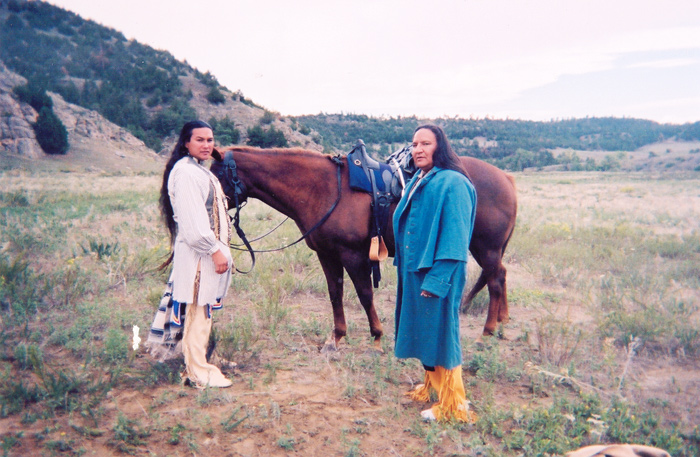
But in Indian country, there is little that is viewed as humane about horse butchering. Indeed, so keenly felt are Native views on horses that they raise important questions of long-term relationships with animals who remain indispensable to the Indian way of life.

Rate this:

America’s Youth Appeal to Obama to End Horse Slaughter

Chicago (EWA) – Jo-Claire Corcoran of the Equine Welfare Alliance’s Research Team has launched a children’s letter writing campaign to end the slaughter of American horses. Canadian partners have launched a parallel campaign aimed at stopping horse slaughter in Canada.

A similar campaign forty years ago resulted in the passage of the Wild Free-Roaming Horse and Burros Act that was passed on a unanimous vote in both houses. Jo-Claire commented,

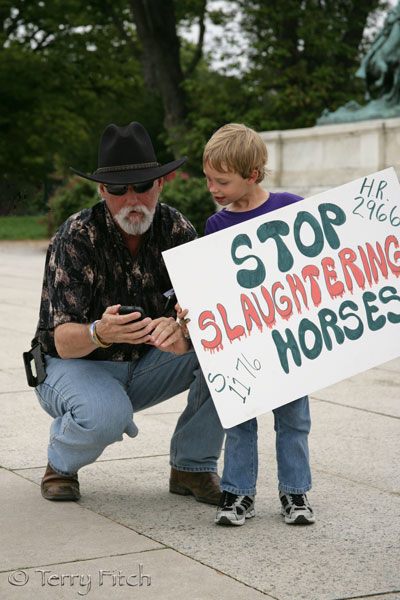
“As Wild Horse Annie proved in 1971 congress listened to the children of this country. Sometimes we do not give our children credit for their ability to comprehend. Children growing up on farms which raise animals for food, are aware those animals are going to slaughter to become food, they understand those animals were raised for that purpose.” She added, “My grandson understands the difference between animals raised for food and animals that are not raised for food.”

Rate this:

Exclusive: Nebraska Mustang Murderer’s Parole Hearing Transcript

“In early November of 2011 a three person Parole Board, in rural Nebraska, met with convicted Wild Horse Killer, Jason Meduna, and discussed setting him free; very, very early. If you are not familiar with this convicted animal abuser and his heinous crimes please click (HERE) as the record is long and to retell the gory details is beyond me at this point. But his former neighbor, the one who was forced to bear his abuse and accused of poisoning his horses as he let them die of starvation and no water, took the time to order the CD of his hearing and transcribe it for your review. We offer no commentary, at this point, but simply the recorded conversation that went back and forth between four individuals who, obviously, have no love for the gift of life and the beauty of equines but instead only see the narrow-minded path that best serves their individual needs. May God have mercy on their souls.” ~ R.T.

Rate this:

Where do the GOP Candidates Stand on Animal Issues?

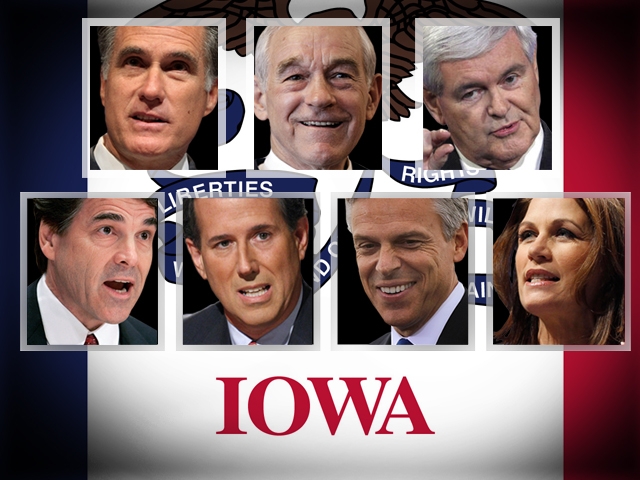
TMitt Romney: Romney attracted the ire of animal advocates when they learned that during a 1983 vacation, he put the family’s Irish setter, Seamus, in a carrier and strapped him to the roof rack of the station wagon. When the terrified dog urinated and defecated during the 12-hour drive, Romney pulled over, hosed down the dog, and continued the voyage from Boston to Ontario. As chief executive of the 2002 Winter Olympics in Salt Lake City, Romney also came under fire from animal protection groups for allowing a rodeo exhibition that included calf roping. His term as Massachusetts governor from 2003 to 2007 was mixed, and Romney did not distinguish himself on animal issues. He appointed a raft of animal-unfriendly people to the state Fisheries and Wildlife Board, even though Massachusetts voters overwhelmingly passed a ballot measure calling for more balanced wildlife policy. He vetoed a bill that would have given students the right to choose alternatives to animal dissection in the classroom. He did, however, sign a number of animal protection bills into law, including measures to strengthen the animal cruelty and animal fighting laws and prevent a convicted animal abuser from getting the animal back.

Rick Santorum: Of all the candidates who have served in Congress, Santorum was arguably the most active on animal protection issues. He earned a 60 percent on the Humane Scorecard for the 108th Congress, and an 80 percent for the 109th Congress. But more importantly, he was the lead sponsor of the Pet Animal Welfare Statute (PAWS) to crack down on large-scale commercial puppy mills, and held a hearing on the bill when he was the chairman of the Senate Agriculture Committee’s Subcommittee on Research, Nutrition and General Legislation. He was also a leader in the Senate urging adequate funding for the enforcement of the Animal Welfare Act, Humane Methods of Slaughter Act, the federal animal fighting law, and other animal welfare programs. He cosponsored legislation to establish federal felony penalties for dogfighting and cockfighting, cosponsored legislation to require the addition of a bittering agent to antifreeze and engine coolant to prevent the poisoning of pets, and voted to stop the slaughter of American horses for food exports.

It’s clear that Santorum, Perry, and Huntsman have the strongest animal protection records. They showed leadership and active support for our issues, and HSLF commends them for their past performance. Bachmann and Paul have demonstrated a consistent hostility or indifference to these concerns. Romney has largely been indifferent and has not been an active supporter. Gingrich has been a bit enigmatic, but he understands the power of the human-animal bond and has taken action to protect some of the most charismatic species.


Rate this:

Opinion: Cattle Grazing Impact on Public Land

The use of public land for cattle grazing is a political hot potato and one that can easily burn the federal Bureau of Land Management. But the BLM can’t rightfully avoid dealing with the practice, no matter how unpleasant, because grazing can ruin riparian areas, dirty public waters and damage wildlife habitat.

And the agency’s mission is to balance multiple uses of public lands so that one doesn’t preclude the others.

Grazing is one of the West’s traditional industries and one that conservative lawmakers in Utah staunchly defend. But science now provides better data on its impacts. The BLM should follow its own policy, which prohibits political interference with, or manipulation of, scientific work.

Rate this:

To Kingston, Kohl, Blunt, Baucus, Wallis; “…as long as we have resources and they are in office.”

HOUSTON, (Horseback) – The Chicago based Equine Welfare Alliance continued its national assault on five politicians the day after New Years with a strongly worded press release targeted toward the national media and members of Congress. The release went out under the names of EWA President John Holland, and Vice President Vicki Tobin, the day after the resignation of Sue Wallis (R) Wyoming from the group she helped found. “This year and into the future Sue will be focusing on the business of humane horse processing, and helping those who seek to develop responsible and successful business ventures,” the pro slaughter group said in a statement.

Rate this:

Treachery of Congressional Horse Slaughter Cabal Exposed in Ad Campaign

Chicago (EWA) – Equine Welfare Alliance (EWA) launched a major campaign on December 30 to expose the underhanded move by Rep. Jack Kingston (GA) and Sens. Kohl (WI) and Blunt (MO) that reinstated horse inspections and opened the way for horse slaughter to return to US soil.

On a must pass bill, the three legislators in a tiny committee, quietly removed the language that prohibited the use of taxpayer dollars to fund horse inspections. The action effectively legalized horse slaughter in the US without a debate in the full house and senate, where a straight vote would have failed.

Rate this: